Recycling and Sustainability for Landscaping Mortlake
 At Landscaping Mortlake, sustainability is built into everyday practice, from the way green waste is handled to how materials are chosen, moved and reused. A modern landscaping Mortlake service should do more than create attractive outdoor spaces; it should also help reduce landfill, support responsible disposal and encourage a cleaner local environment. By treating recycling as part of the landscape process rather than an afterthought, we aim to keep projects efficient, tidy and environmentally conscious.
Our recycling approach begins with careful sorting at source. Soil, stone, timber, metal, plastic packaging, and organic matter are separated wherever practical so that each material can follow the most suitable recovery route. In a borough environment where waste separation expectations are becoming more structured, this matters. Local authorities increasingly encourage households and businesses to distinguish green waste, mixed recycling and general rubbish, and our Landscaping Mortlake operations follow the same spirit. We work toward a minimum recycling target of 85% across suitable project waste streams, with the goal of improving year on year.
That target is supported by practical site routines: reusable topsoil is set aside for later use, clean aggregates are collected for potential reuse, and untreated timber is routed away from landfill wherever recycling options are available. The result is a more circular approach to landscaping Mortlake, where materials are valued for as long as possible. Even small changes, such as separating plant pots from compostable debris or keeping metal fixings out of green waste, can make a real difference to the overall recovery rate.
Local Recovery Routes and Responsible Disposal
To support waste diversion, we use local transfer stations and licensed facilities that can process different waste types responsibly. Depending on the material, loads may be directed to nearby local transfer stations that handle green waste, inert waste, scrap metal or mixed construction and landscaping debris. This helps ensure that waste from Landscaping Mortlake projects is managed within a regulated, traceable system rather than being sent to landfill unnecessarily. The emphasis is always on the most appropriate route for the material, not simply the easiest one.
In practical terms, this can mean taking hedge cuttings and grass clippings to green waste processors, sending broken paving or rubble to inert recycling streams, and separating clean hardwood for reuse or recovery. In boroughs where waste separation is becoming more visible in everyday life, our methods mirror that direction by keeping recyclable materials distinct from contaminated waste. For a Landscaping Mortlake team, this also improves on-site tidiness and reduces unnecessary handling, which helps projects run smoothly.
 We also pay close attention to packaging waste. Bags, wrappings and delivery materials are checked for recyclable content before disposal, and empty containers are sorted according to the waste rules applying to the area. This detail-oriented approach is especially useful for landscaping jobs that generate a mix of organic and non-organic waste. By managing the stream properly, landscaping Mortlake services can align with local expectations while maintaining a cleaner working environment for residents and nearby businesses.
Partnerships with Charities and Reuse Networks
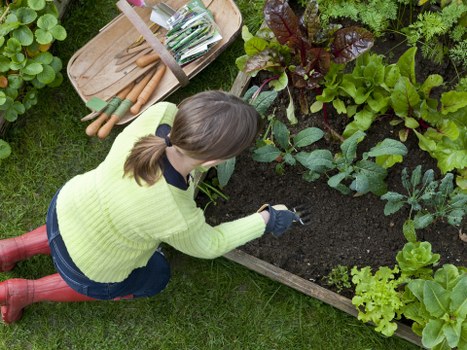 Sustainability is not only about recycling; it is also about reuse and community value. That is why Landscaping Mortlake supports partnerships with charities and reuse organisations whenever suitable materials can be passed on. Quality surplus items such as planters, timber offcuts, garden furniture components, paving remnants, and viable plants may be redirected to charities, community gardens or local reuse initiatives, giving them a second life instead of sending them for disposal.
These partnerships help extend the lifespan of materials and support community projects that may have limited budgets. For example, gently used soil conditioner containers, salvageable bricks, and planting accessories can sometimes be useful to organisations working on shared garden spaces or educational projects. In this way, landscaping Mortlake can contribute to local social value as well as environmental performance. The emphasis is always on suitability, safety and quality, ensuring items passed on are fit for purpose.
Where direct donation is not possible, we still prioritise reuse routes ahead of recycling where appropriate. That might involve separating intact slabs for future use, rehoming healthy shrubs, or recovering useful lengths of timber for another construction task. This hierarchy of reuse, then recycling, then responsible disposal is a core part of our Landscaping Mortlake sustainability model and helps reduce the volume of waste entering the general system.
Low-Carbon Transport and Smarter Site Logistics
Transport is a major factor in the environmental impact of any landscaping service, so we continually improve how vehicles are used across our work. Our fleet includes low-carbon vans designed to reduce emissions, lower fuel consumption and support more efficient travel between jobs. By planning routes carefully and grouping collections where possible, Landscaping Mortlake reduces unnecessary mileage and cuts down on the carbon footprint associated with moving materials and waste.
These vans are especially useful for smaller collections, site inspections and local deliveries, where a compact, efficient vehicle can replace larger, less efficient transport. Combined with good scheduling, this approach limits congestion and helps create a cleaner service across the area. For landscaping Mortlake, low-carbon transport is not an add-on; it is part of a wider effort to work responsibly in a densely used urban setting where air quality and traffic matter.
We also make smarter choices about load sizes and vehicle use. Rather than making repeated trips with partial loads, we aim to consolidate waste and materials in ways that reduce total journeys. This can be especially helpful for projects involving mixed waste segregation, where a clear system for collection and transfer improves both efficiency and environmental performance. The result is a more sustainable service that supports the broader aims of local borough waste reduction.
Ongoing Improvements in Recycling and Sustainability
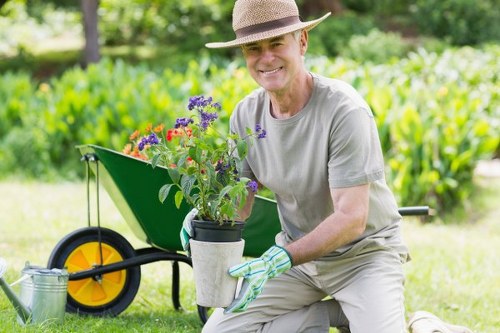 Sustainability is always evolving, and so are our practices. As local recycling systems improve, we continue to review how different landscaping materials can be separated, recovered and reused. This includes paying attention to borough-specific waste separation requirements, adapting to new recycling streams, and identifying opportunities to divert more from landfill. For Landscaping Mortlake, staying current is essential to making sure every project reflects best practice.
We regularly look for better ways to process green waste, including composting-friendly material streams and cleaner segregation of organic matter. Likewise, hard landscaping remnants such as broken tiles, concrete and stone are assessed for recovery through appropriate facilities. By combining local knowledge with practical recycling procedures, landscaping Mortlake can maintain high environmental standards without sacrificing quality or efficiency.
 Looking ahead, our aim is to increase the proportion of materials reused and recycled wherever possible while continuing to use low-carbon vans and trusted local transfer stations. We believe that a responsible Landscaping Mortlake service should help shape greener surroundings at every stage, from delivery and installation to waste management and aftercare. Through careful sorting, charity partnerships and a commitment to high recycling performance, we support a cleaner, more sustainable future for Mortlake and the wider area.